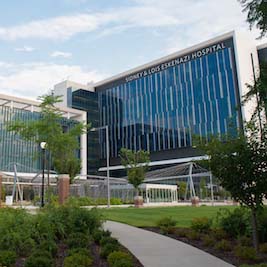
After decades of research, the Eskenazi Health Aging Brain Care program was developed to support primary care providers in the specialized diagnosis and management of patients with cognitive impairment caused by conditions such as Alzheimer’s disease, delirium and cognitive and emotional problems that may arise after critical illnesses. The Aging Brain Care team also supports caregivers and includes family members in all care decisions.
“Dementia” refers to a range of symptoms associated with a decline in memory or other thinking skills that is severe enough to reduce a person’s ability to complete everyday activities. Dementia symptoms can vary greatly from person to person and can affect memory, language, mood, personality, judgment and behavior. Alzheimer’s disease is the most common form of dementia, accounting for an estimated 60 - 80% of all cases.
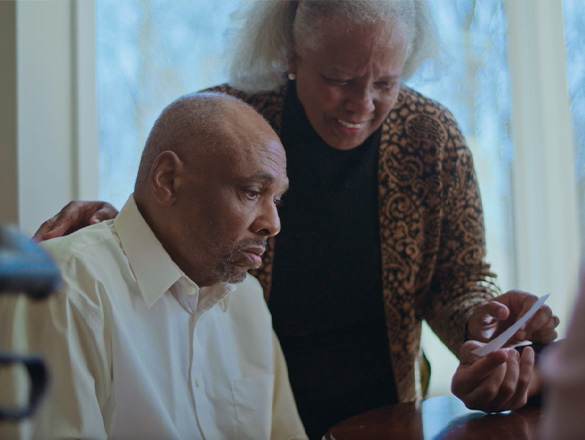
Approximately one out of every nine people ages 65 and older has Alzheimer’s disease. Across the United States, more than 11 million people are caring for a family member or close friend suffering from memory problems. Although caring for a loved one can be very rewarding, it can create physical, emotional and financial pressures for caregivers.
Established in 2008, this one-of-a-kind center combines research and clinical care, resulting in the rapid translation of research discoveries into clinical practice. Working closely with the patient’s primary care provider, the multidisciplinary care team – consisting of physicians, nurses, psychologists, care coordinator assistants and social workers – develops a personal treatment plan for each patient that includes medications as well as non-drug treatments to improve the quality of life for patients and caregivers.
The Aging Brain Care program functions under the Sandra Eskenazi Center for Brain Care Innovation at Eskenazi Health. The care team delivers state-of-the-art, evidence-based care in home, community and clinical settings. Care coordinator assistants are the cornerstone of the program, serving as the primary link between patients, their caregivers and the clinical team.
For more information or to make an appointment, please contact the Aging Brain Care program at 317.880.2224. Health care providers can fax referrals to 317.880.0412. This specialty requires a referral from a primary care provider.
Program Overview
Care begins with a complete diagnostic evaluation conducted in the Aging Brain Care center. This includes:
- A clinical and neurological exam
- Blood work
- Brain imaging
- Memory and mental status testing
- Face-to-face family conference with the patient and family caregivers
A personal and specialized brain care plan will then be developed to include:
- Home-based care management
- Coordination with community resources
- Tools to support patients and caregivers in managing dementia and navigating the health care system
All patients and caregivers receive brain care management services that focus on improving self-management, problem solving and coping skills. Among them:
- Patient and family education and counseling
- Data collection via standardized tools to identify and address changes in brain health
- Coordination of care transitions across multiple settings
- Design and delivery of person-centered, non-pharmacological interventions to reduce physical and psychological burden for both patients and caregivers
- Modifications to physical and social environments
- Engagement of palliative and hospice care as appropriate
Patients and caregivers are connected to different resources to support their journey. Two online resources include:
BrainHealthMatters.org - Patients and their caregivers can access downloadable and animated resources to support their care experience. The site includes ways to improve brain health and reduce cognitive decline, as well as talking points to communicate with health care providers.
A new dementia care and payment model is now available for patients at Eskenazi Health. This new model, Guiding an Improved Dementia Experience (GUIDE), increases access to high-quality care by directly addressing the needs of unpaid caregivers of those living with Alzheimer's disease and related dementia.
The GUIDE model became available on July 1, 2024, with Eskenazi Health being one of the first to implement it. It aims to provide comprehensive support and resources for caregivers to help reduce caregiver strain and to keep patients in their homes, delaying nursing home placement.
To learn more about the new model, please visit the Centers for Medicare and Medicaid Services website. You can also learn more about the launch of this model at Eskenazi Health. For more information or to make an appointment, please contact the Aging Brain Care program at 317.880.6655.